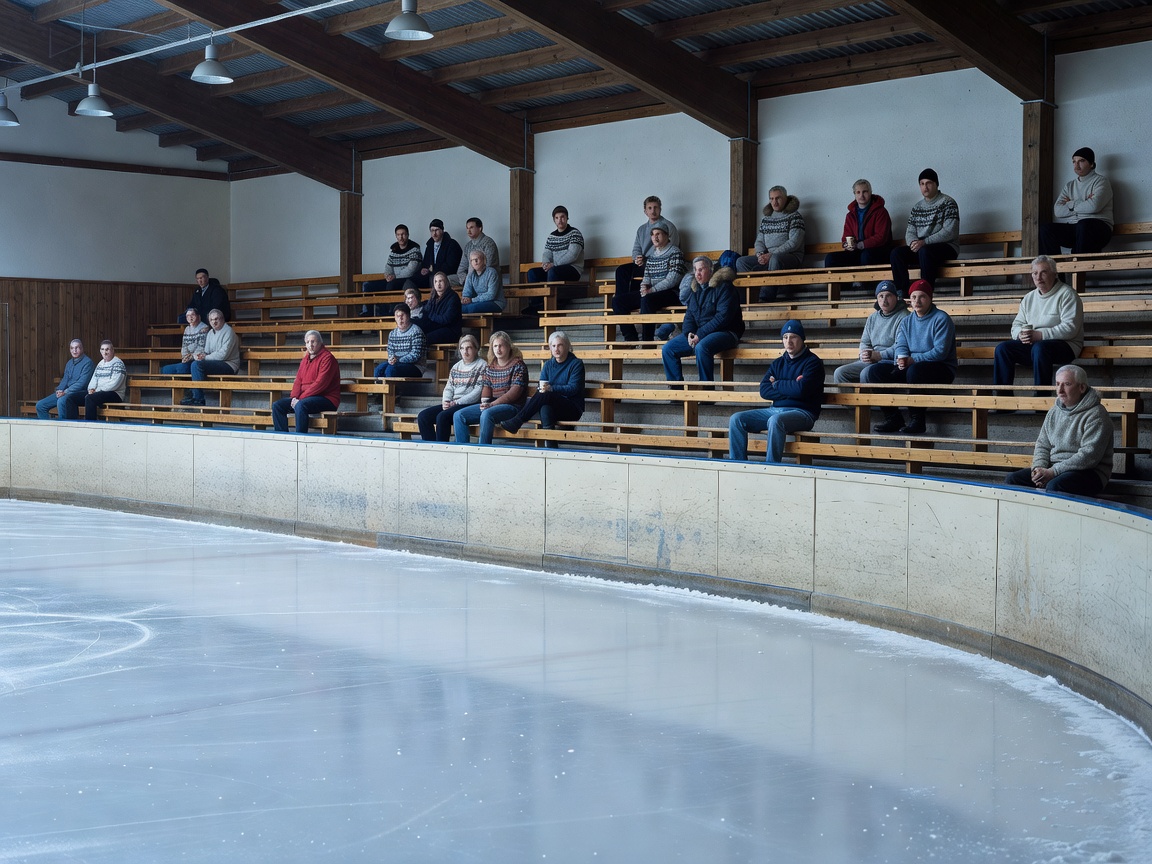
A club can be a senior team, a youth development organization, a community association, or several of these at once. The name alone does not explain its structure. Check the club’s own current information and the competition organizer’s material before planning a visit.
Club structure is more than the first team
Many hockey organizations connect senior competition with junior teams, youth participation and local rink activity. The exact arrangement varies by country and club. Some organizations operate teams at several ages. Others share facilities or cooperate with nearby programs. A senior team may be prominent, but it is only one part of the local hockey system.
For visitors, this distinction matters. A match ticket, a youth session and a public skating visit are different activities. Each may use a different entrance, schedule or booking process. Do not assume that a club’s public match information covers every rink program. Look for separate sections for teams, academy or junior activity, community participation and venue access.
Professional, semi-professional and amateur contexts
Professional competition usually has a clear team operations structure and matchday information. Lower tiers can still offer organized hockey, but staffing, venue services and public information may differ. Amateur and community hockey often centers on participation and local development. These labels are broad descriptions, not a reliable substitute for checking a specific club.
League structures also differ between countries and can change over time. Competition names, divisions, promotion systems and season formats should be checked with the league or club. This guide does not rank teams or report current standings. If a particular level is important to your trip, confirm the club’s current league, home venue and event details through official sources.
Youth development and community links
Youth systems may include introductory skating, age-group teams, skill sessions and progression toward higher competition. Program design depends on local rules, coach availability and the age of participants. A club’s youth pathway is not necessarily a single ladder. It may involve partner associations, school activity or regional development structures.
Community involvement can include volunteer roles, local events, school connections and rink-based participation. It influences how a club fits into its town or district. Visitors should observe without assuming every organization has the same traditions. Supporter behavior, club colors and pre-game routines can be club-specific. Use the club’s public guidance and follow the lead of local staff.
Matchdays: useful differences to expect
Matchday scale depends on competition, venue, opponent and event organization. Some games have a compact local feel. Others use a larger arena setup. Seating arrangements, food service, merchandise points and entry procedures are not universal. Check the venue map, accessibility information and entry rules for the exact game rather than relying on a general description of the club.
Home fixtures can be listed on a club or league calendar, but listings may change. Confirm the date and venue close to travel. If schedules are not available in your language, use the organizer’s official page and verify the location directly. Avoid building a multi-stop trip around an unconfirmed listing.
Choose the club experience that fits
Start with your purpose. A visitor interested in competition may prioritize the senior team and venue. A family might look for clear access information and age-appropriate facilities. A player researching development should examine the youth program separately and ask about eligibility, coaching, language and equipment.
- Identify the team or activity, not only the club name.
- Check the competition context and current venue.
- Review official access, ticketing and conduct information.
- Allow a backup option if the event details change.
Good for
Club research suits hockey travelers, families comparing a matchday with a youth activity, and players looking for a development program. It also helps visitors understand why a club can have both a competition identity and a wider community role.
What to check before attending
- Current date, venue and event status.
- Entry and bag policies, seating arrangements and accessibility details.
- Whether the activity is open to visitors and requires advance contact.
- Transit options and the time needed to reach the correct entrance.
- Any age, registration or equipment conditions for participation.
Keep current information separate from general background. Club and league pages are the best starting point for changes. This guide is independent and is not affiliated with hockey clubs, leagues, federations or arenas.