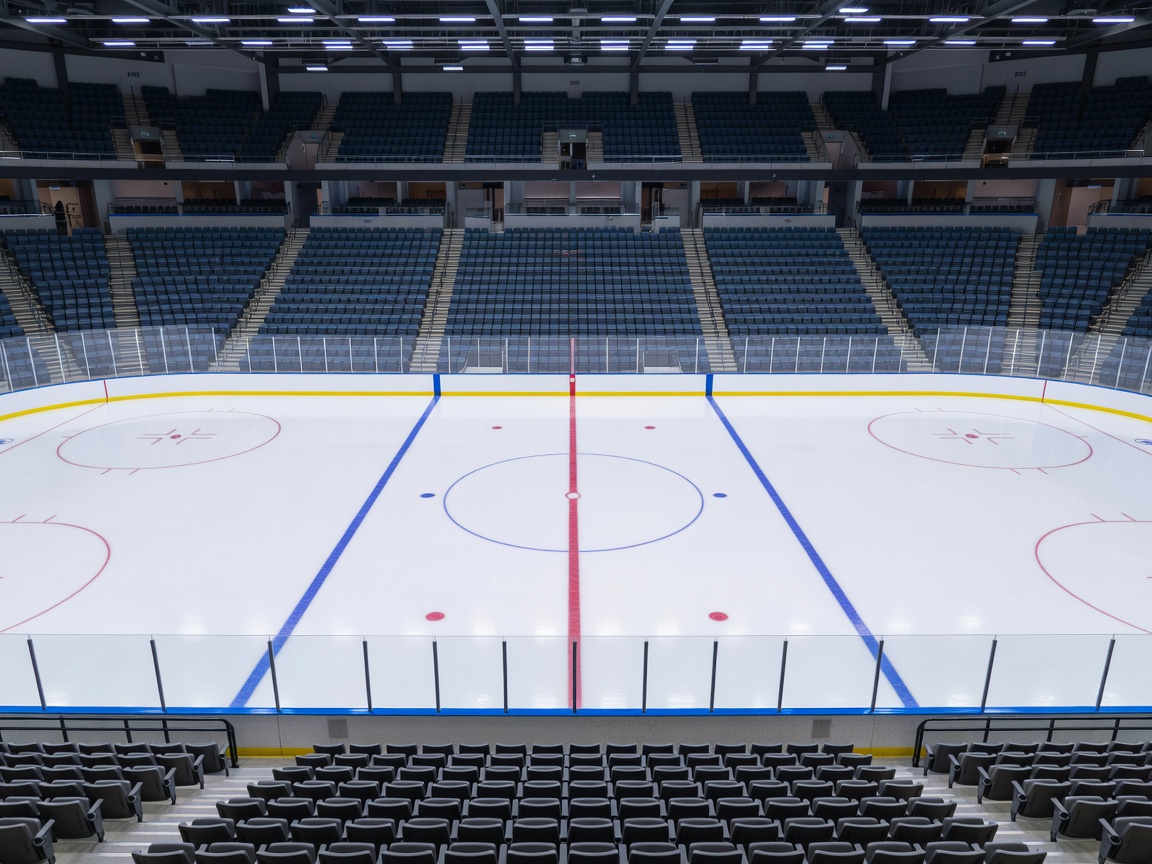
A hockey arena is both a sports venue and a navigation problem. A correct address does not always tell you which entrance to use, where accessible seating is located or how the building connects to nearby transport.
Rink design and spectator position
Indoor rinks share a playing surface but differ in their building layout. Sightlines depend on the relationship between the ice, boards, glass and seating bowl. Lower seats bring the action closer. Higher rows can provide a wider view of formations and play away from the puck. The best position depends on personal preference, availability and mobility needs; there is no universal best section.
Some venues have distinct standing areas, family sections, hospitality zones or restricted-view seats. Names and arrangements vary. Read the specific event seating plan and any notes attached to a seat category. If a seating map is unavailable, contact the venue or event organizer instead of assuming that a section name means the same thing everywhere.
Entrances, circulation and ice-level areas
Large buildings may have separate public, team, service and accessible entrances. Follow the event instructions for the public gate. Check whether doors are assigned by ticket section or whether entry is general. Arrival information should also explain security screening, prohibited items and any bag limits. These policies can change by event.
Ice-level areas are not automatically open to spectators. A tunnel, bench-side zone or rink-side corridor may be controlled space. Do not cross barriers or approach team areas unless venue staff direct you. Keep aisles clear and use marked routes when moving between periods or sections.
Concessions and family facilities
Food and drink services can sit on a concourse, in a separate social area or at selected levels. Opening times and menus are event-specific. Do not assume every stand is operating. Family rooms, changing facilities, quiet spaces and water access may be available at some venues but are not consistent across the region. Check venue accessibility and family information before purchasing or arriving.
For families, a clear route from entrance to seating can matter as much as the view. Consider stair access, lift locations, washroom distance and the length of an event. If a child needs ear protection or a break from noise, confirm what facilities exist. Bring only items permitted by the arena’s current policy.
Accessibility and practical access
Accessibility information should cover step-free routes, accessible toilets, seating, companion arrangements and assistance procedures. A general statement that a venue is accessible is not enough to plan a specific visit. Contact the arena or event organizer with precise needs. Ask about the entrance to use, where staff support is available and whether a companion seat must be arranged separately.
Outdoor conditions can affect the route between a transit stop, parking area and entrance. In winter, allow for snow, ice and reduced daylight. Use maintained paths and follow local safety guidance. Do not rely on a map image alone when the venue publishes a more recent access notice.
Transport and parking choices
Some arenas sit within a city district; others are farther from central transport. Review the full route, including the final walk. Public transport, taxi access, cycling facilities and parking availability vary by venue and event. Parking may require a separate booking or may be limited. Current schedules, service changes and parking rules must be checked with the relevant operator.
For a group, agree on a meeting point outside the entry flow. Identify a backup meeting location in case mobile reception is limited. Keep the arena address and entrance details available offline when traveling.
Compare a venue by your needs
- For a clear view: review the seating map and sightline notes.
- For step-free access: confirm the exact entrance, lift and seating arrangement.
- For families: check toilets, breaks, food access and event rules.
- For transit users: check the last leg and return options.
Good for
This guide helps first-time visitors, accessibility planners, families and fans comparing different kinds of arena experience. It also gives travelers a checklist for choosing accommodation and transport around a venue location.
What to check before arrival
- Event date, gate opening information and correct entrance.
- Seating map, accessibility arrangements and restricted-view notices.
- Current bag, security, food and photography rules.
- Transit service, parking terms and a safe return route.
- Family facilities and any event-specific service changes.
Venue details can change between events. Use current arena and organizer information as the source for operational decisions. This independent guide is not affiliated with any arena or event operator.