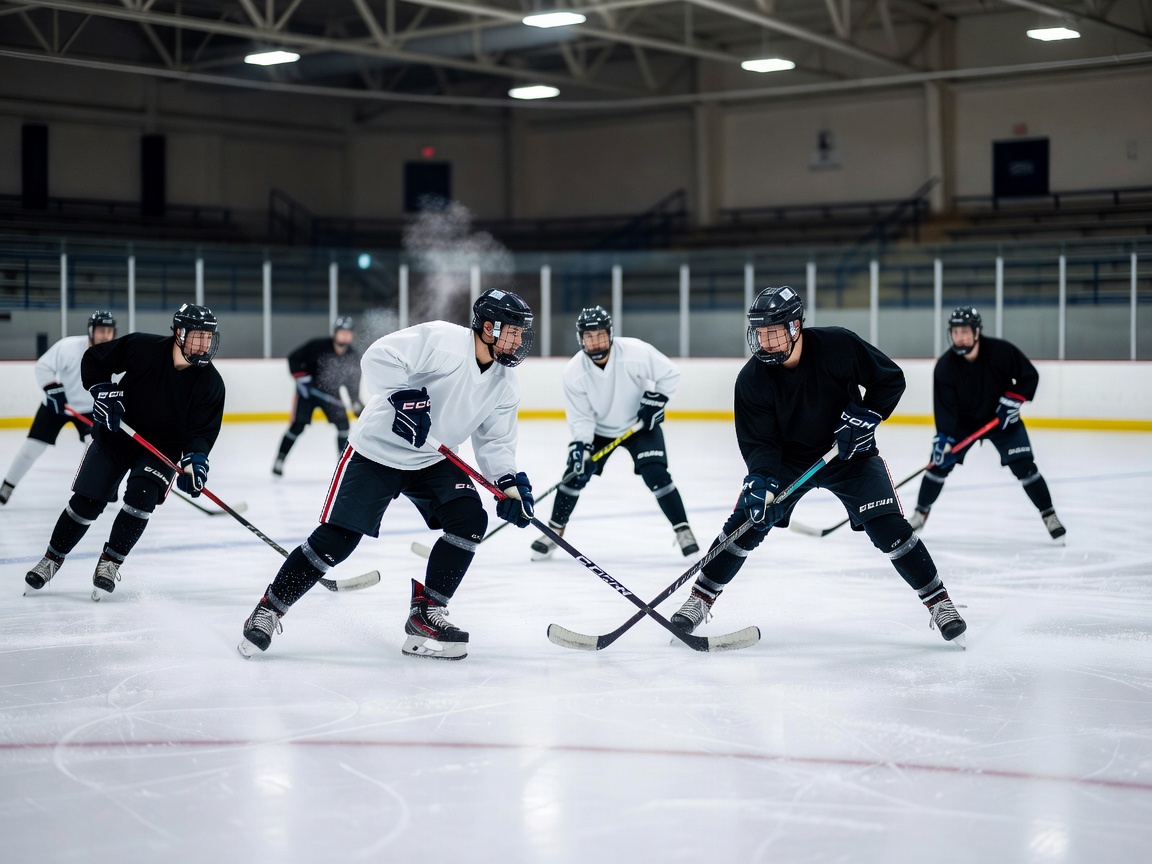
A hockey camp can mean a short skills clinic, a multi-day youth program or a team-based seasonal session. The title is not enough to judge fit. Review the stated aims, player group and daily structure, then ask the organizer about anything unclear.
Common camp formats
Youth camps often group participants by age, experience or a combination of both. A development camp may focus on a particular skill area or provide broader on-ice instruction. Seasonal programs can fit around school or club calendars, while a clinic may concentrate on a shorter topic. Each format differs in duration, ice access and off-ice activity.
Do not assume a camp accepts every age or ability. Some require club participation, previous skating experience or a coach assessment. Others are introductory. Read the eligibility notes and confirm whether players are grouped by age, skill band or position. A useful program explains its intended audience clearly.
What training can include
Technical training may cover skating development, puck handling, passing, shooting practice and decision-making. Team exercises can add communication, positioning and coordinated play. The balance matters: a camp built around individual stations has a different purpose from a team-based session. Ask how instruction and supervised practice are divided.
Skating development typically addresses balance, edges, stride mechanics and directional movement within the coach’s program. Shooting practice may focus on setup, release and accuracy. This is general program description, not an individualized performance plan. Coaches should adapt activities to group level and follow safe facility procedures.
Off-ice sessions may include classroom discussion, mobility work, team activities or rest periods. Confirm exactly what is included and what equipment is required. A camp description should make clear whether meals, transport, lodging and supervision are part of the offer. Do not infer these details from the program name.
Coaching structure and communication
Look for information about coach responsibilities, participant-to-coach arrangements, language of instruction and who handles parent questions. A clear organizer should explain drop-off and collection procedures, supervision boundaries, emergency contacts and participant conduct expectations. Families should know who is responsible during breaks and transitions.
Qualifications and coaching approaches vary by organizer. Ask what experience is relevant to the program and what methods are used to group participants. Avoid relying on promotional claims alone. A written outline of session goals, equipment and supervision is more useful than broad promises of improvement.
Equipment and preparation
Typical hockey equipment can include skates, helmet, gloves, protective gear, stick and appropriate base layers. Requirements depend on the camp and local rules. Obtain the organizer’s list before travel. Confirm whether equipment can be borrowed, whether sharpening is available and how gear should be labeled or stored.
For a trip, plan for drying and transporting equipment. Keep essential items accessible and check airline or rail rules for bulky bags. Arrive with enough time to locate the rink and change. Participants should follow their coach’s safety instructions and the venue’s rules. This guide does not provide medical advice or individualized training direction.
Age groups, progression and fit
Age bands help organizers plan suitable activities, but a birth-year category does not describe every participant’s experience. Ask how the camp handles different skill levels, late arrivals, language needs or a participant who wants a less intensive option. A program should explain how it manages changes in group placement.
Parents and players should compare the camp’s stated emphasis with their own aims. A skating-focused session may not spend much time on team tactics. A team camp may assume a shared level of play. Choose based on the format and support offered, not only the location or duration.
Good for
This guide is useful for families considering a youth program, players comparing a skills clinic with a team camp, and travelers fitting training into a Nordic hockey trip. It also helps coaches or guardians prepare questions before registration.
What to check before registration
- Age and experience requirements, group placement and language.
- Daily structure, coaching roles and supervision arrangements.
- Required equipment, loan options and rink rules.
- Dates, location, cancellation terms and what is included.
- Emergency contacts, transport and participant collection process.
Program dates and availability change. Confirm details directly with the organizer. This guide does not endorse camps or promise specific results.